5 Simple Steps: How to Get Oil Out of Carpet
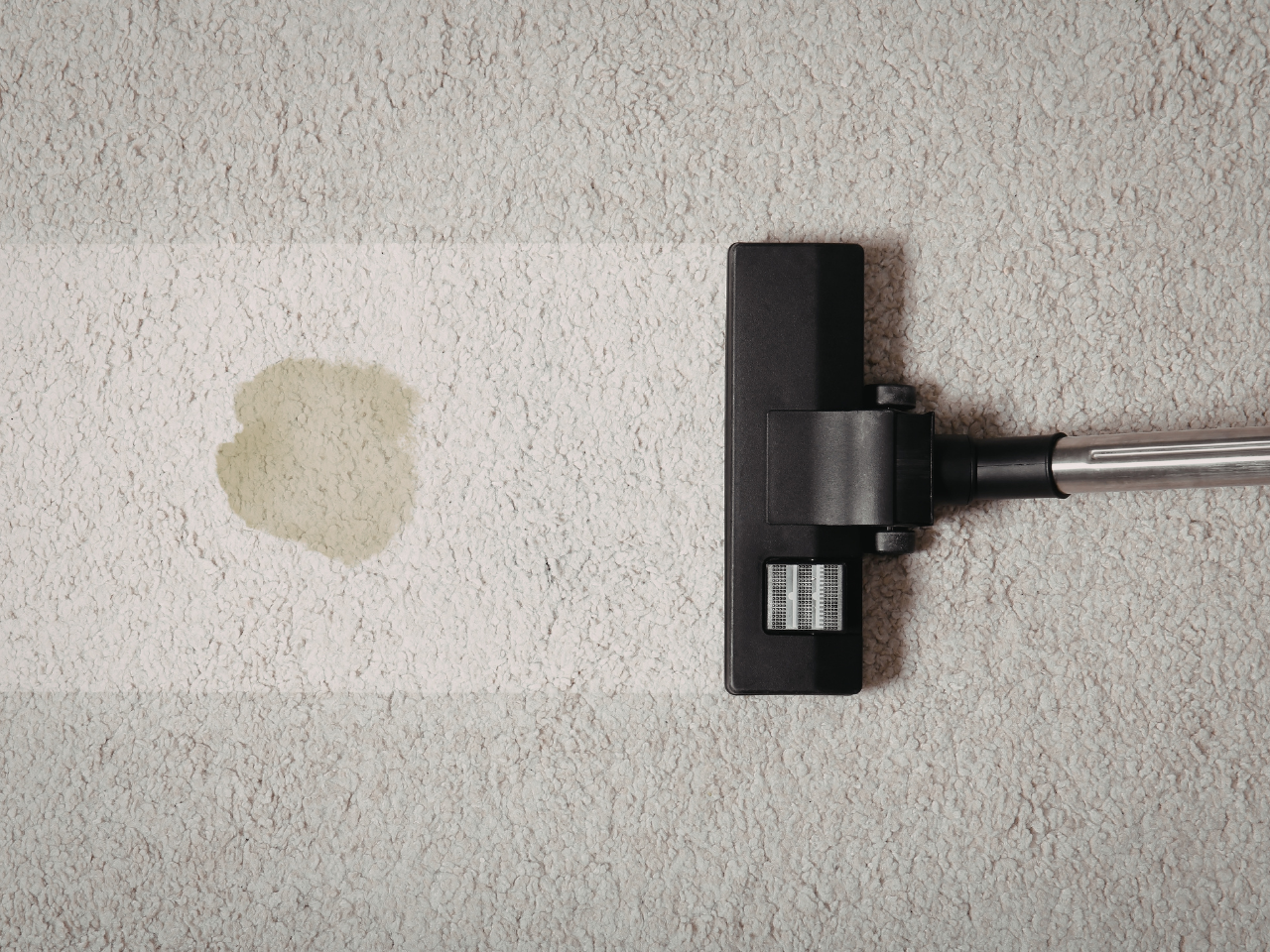
Oil stains on carpet are one of the most common and frustrating issues homeowners deal with. Whether it is olive oil from cooking, coconut oil from skincare products, or engine oil tracked in from the garage, oil behaves differently from most other carpet stains and needs to be treated correctly.
Grease stains behave in a similar way to oil, clinging to carpet fibres and spreading easily, which means the same step-by-step approach can be used to treat both oil and grease spills.
The good news is that most carpets are designed to withstand everyday wear and tear, and oil or grease stains can often be removed if you act quickly and use the right approach. Our team gets asked about oil stains regularly, and there is very little we have not seen before. While different oils vary in thickness and colour, the method for removing them from carpet is largely the same. What matters most is the type of oil, the carpet fibre, and how soon you treat the stain.
Why Oil Stains Are So Challenging
Oil stains are difficult because oil does not evaporate like water-based spills. Instead, it clings to carpet fibres and spreads easily, especially if walked on or rubbed. Applying water too early or scrubbing aggressively can push oil deeper into the carpet pile and backing, making it much harder to remove.
Another challenge is that oil stains do not always look obvious straight away. The area may appear clean at first, only for a dark patch to reappear as the oil resurfaces. This is why oil stains often come back days later if they are not treated properly from the start.
Step 1: Act Quickly and Blot Excess Oil
As soon as the spill occurs, blot the area gently using paper towels or a clean, dry cloth. The aim is to absorb as much excess oil as possible before it spreads further into the carpet.
Do not rub the stain, as this forces oil deeper into the fibres and can damage the carpet pile. Use light pressure and replace the paper towel frequently until no more oil is absorbed. For thicker oils such as cooking oil or engine oil, this step may take a little longer, but it is essential for success.
Step 2: Apply an Absorbent Powder
Once the surface oil has been removed, apply an absorbent powder to draw oil out of the carpet fibres. Baking soda or cornflour works well for this purpose.
Sprinkle a generous amount over the stained area and allow it to sit for at least 15 to 30 minutes. For heavier stains, leaving the powder for a few hours can be more effective. The powder absorbs oil trapped within the fibres. Afterwards, vacuum thoroughly to remove all residue.
Step 3: Use a Mild Cleaning Solution
After vacuuming, prepare a mild cleaning solution using warm water and a small amount of dishwashing liquid designed to cut grease. Avoid harsh chemicals, as they can damage carpet fibres or cause discolouration.
Dampen a clean cloth with the solution and gently blot the stain, working from the outside inward to prevent spreading. Avoid soaking the carpet. Once the stain begins to lift, blot the area with a dry towel to remove moisture and residue.
Step 4: Rinse and Neutralise
Once the oil stain has been treated, lightly rinse the area using clean water applied to a cloth. This helps remove any soap residue that could attract dirt later.
Blot the area with a dry towel until it is only slightly damp. Allow the carpet to air dry completely, and avoid walking on it until it is dry to prevent re-soiling or flattening the fibres.
Step 5: Assess and Repeat if Needed
Oil stains can be stubborn, especially on lighter carpets or natural fibres. Once the carpet is dry, check the area in good lighting.
If a shadow or dark patch remains, repeat the absorbent powder and cleaning steps. Multiple gentle treatments are far more effective than aggressive scrubbing. If the stain persists after several attempts, professional carpet cleaning may be required to remove oil trapped deep within the carpet.
Handling Engine Oil Stains on Carpet
Engine oil stains are particularly challenging because they are thicker, darker, and often tracked across floors rather than spilled in one spot. The same cleaning steps apply, but patience is essential.
Engine oil penetrates carpet quickly and may require repeated treatments. Using absorbent powder as soon as work boots or tools come inside can significantly reduce long term staining. Entryways, garages, and transition areas are especially prone to these stains.
Carpet Types That Are Easiest to Clean
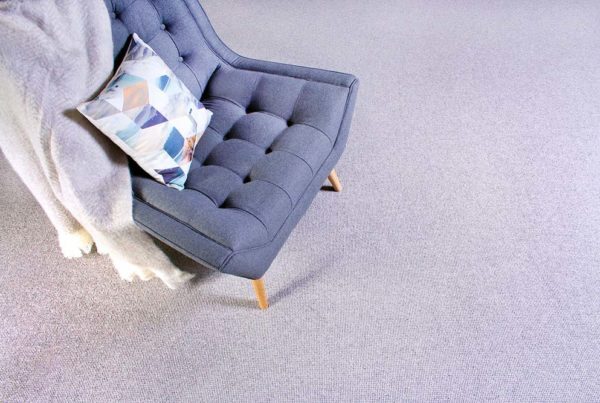
Some carpet fibres handle oil stains better than others. If you are choosing new carpet or planning a replacement, selecting the right fibre can make ongoing maintenance much easier.
Solution dyed nylon carpets are one of the easiest options to clean. Because the colour is added during fibre production, they are highly resistant to staining and fading, and oil tends to sit closer to the surface.
Polypropylene carpets are naturally resistant to moisture and stains. They do not absorb oil in the same way as natural fibres, making them a practical choice for high-traffic areas, rentals, or spaces near garages.
Carpet tiles are ideal for areas where spills are common. If a tile becomes permanently stained, it can often be replaced individually without needing to replace the entire floor.
Wool carpets are durable and naturally resilient, but they require more care with oil stains. Wool fibres can absorb oils more readily, so quick action and gentle cleaning are important. Professional cleaning is often recommended for wool carpets.
Key Takeaways for Getting Out of Oily Stains
Removing oil from carpet successfully comes down to a few key principles. Act quickly and blot rather than rub. Use absorbent materials before applying liquids. Match your cleaning approach to the type of oil and carpet fibre. Avoid excessive water and harsh chemicals. Repeat gentle treatments rather than scrubbing aggressively.
Different oils and carpet fibres behave differently, but following a consistent process gives you the best chance of success. With the right approach and a little patience, most oil stains can be significantly reduced or removed entirely. If oil stains are a regular issue in your home, choosing stain-resistant carpet fibres and seeking expert advice before purchasing new carpet can save time, effort, and frustration in the long run.
Looking for Flooring on the Sunshine Coast?
Transform Your Home with Stylish Flooring

Since 2003 The Compass Institute has been providing individuals with a disability with the opportunity to thrive. Through a range of continued learning opportunities, vocational training and life skills development we are proud to support our “trainees” to live fulfilling lives and make meaningful contributions to their community. As a not for profit organisation we are only able to thrive in our work thanks to the support of the local community and businesses such as Impact Floors.