How Much Does a Floating Floor Cost?
What is a Floating Floor?
Floating floors refer to the installation method, not the materials of the floors themselves. Planks are made with an interlocking system that lets them snap together and rest directly on the subfloor. This means no messing around with glue or nails and a quicker installation time.
Types of Floating Floors
Engineered Timber
Engineered timber is a great choice for homeowners who want to bring a bit of natural warmth and elegance into their home, without spending thousands of dollars on real hardwood floors. Engineered timber is incredibly stable and less prone to warping or water damage than solid wood.
It is the most expensive option and is usually priced anywhere between $60 - $150 per square metre, depending on the style and type.
Laminate Flooring
Laminate style floors are a type of floating floorboard with a thin layer of patterned plastic on top. These floors are great for covering smaller areas that can quickly become wet like kitchens, bathrooms and laundries. They are stain-resistant, reliable and easy to handle and install.
Laminate or Hybrid planks offer a mid range option for homeowners who are a bit more budget-conscious. Prices range from $50 - $80 per square metre.
Vinyl
Out of all the options of floating floors, Vinyl floorboards are by far the most affordable - typically ranging from $30 - $50 per square metre. Coming in a wide range of colours and styles, vinyl floors replicate the natural look of wood and stone at a fraction of the cost.
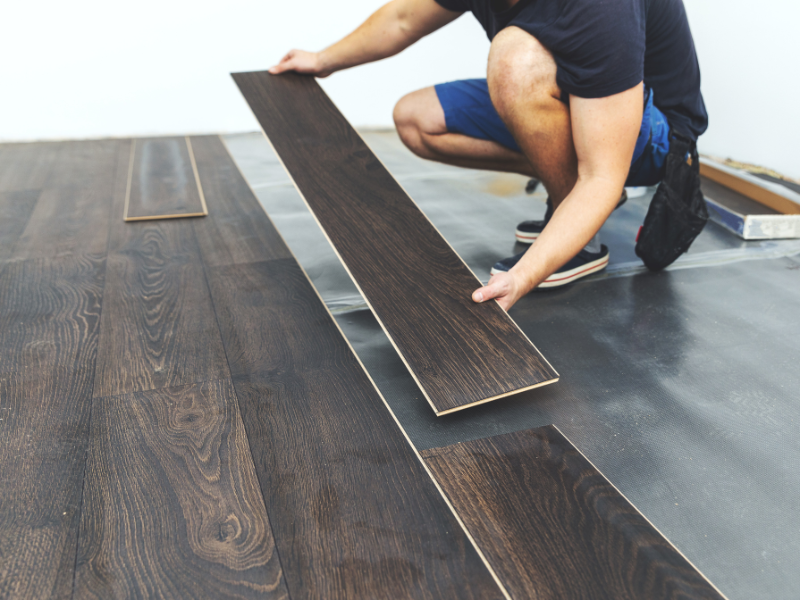
How Much Do Floating Floors Cost?
The cost of your floating floor depends on the price of the material you choose. On average, the cost of installing floating floors ranges from $25 to $70 per square metre, but the exact total cost also depends on their quality, style and supplier.
What Are The Pros and Cons of Installing A Floating Floor?
While floating floors are cost-effective and easy to install, they aren’t for everyone. Understanding the pros and cons will help you make a more informed decision on whether a floating floor is right for your home or business.
Pros
Affordable: Floating floors use cheaper materials than traditional types of flooring and also have lower labour costs, making the total project more budget-friendly.
Easy DIY option: The interlocking system is simple to install, allowing you to save on professional labour costs.
Fast Installation: Rooms can be completed in a matter of hours, minimising disruptions
Suitable for Existing Floors: Professionals can install floating floors over the top of existing hard floors like old tiles or vinyl.
Cons
Noisy Underfoot: Without being nailed or glued to the underlay, some more budget-friendly flooring materials can create a slight hollow sound when walked upon.
Limited Refinishing: Unlike solid hardwood floors, many floating floors, like laminate and vinyl, can’t be sanded or refinished. However, engineered timber can be refinished once or twice, depending on its thickness.
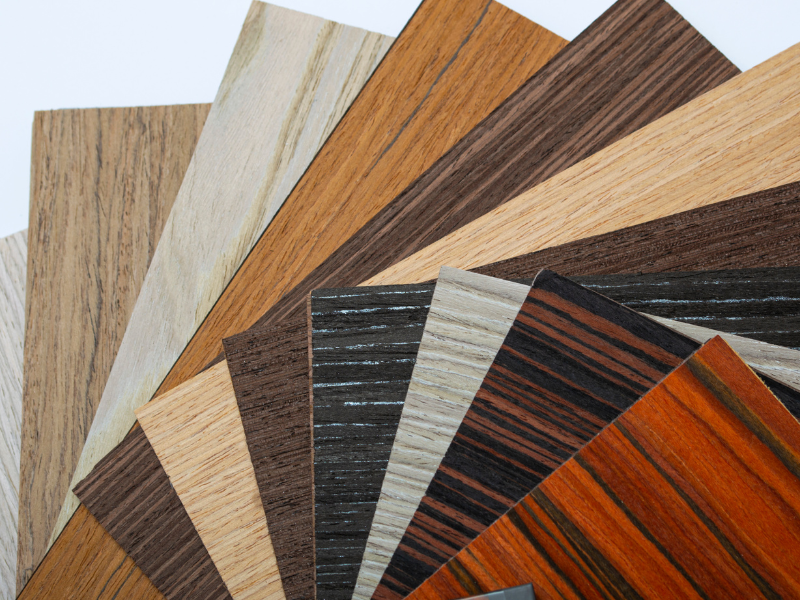
What Factors Can Impact the Price of Floating Floors?
Before going all in on your floating flooring, take into consideration these questions that could affect the total cost of the installation:
- How busy is your home in terms of foot traffic?
- Is your underlay or subfloor clean, dry and stable?
- What room will the floating floor be installed in?
- Do you have any fixed heavy items like kitchen island, built in wardrobes or large bookshelves?
- What material would suit your home best?
Choosing the Right Floating Flooring For Your Home
When picking the right type of floating floor for your home, it can be overwhelming. With so much to think about, from budgets to what material will suit your home the best, it can be hard to know where to start.
The qualified team at Impact Floors are here to help. For expert advice and personalised guidance for all sorts of floating floors, call us on 1300 253 321 or complete our online booking form today.
Looking for Flooring on the Sunshine Coast?
Transform Your Home with Stylish Flooring

Since 2003 The Compass Institute has been providing individuals with a disability with the opportunity to thrive. Through a range of continued learning opportunities, vocational training and life skills development we are proud to support our “trainees” to live fulfilling lives and make meaningful contributions to their community. As a not for profit organisation we are only able to thrive in our work thanks to the support of the local community and businesses such as Impact Floors.